Why choose Solar PV for your home?
Reduce your energy bills by up to £650 per year (according to Energy Saving Trust based on 4 bedroom detached property in London) – savings will vary according to location, system size, your usage and cost of electricity)
Reduces your monthly energy bills per year
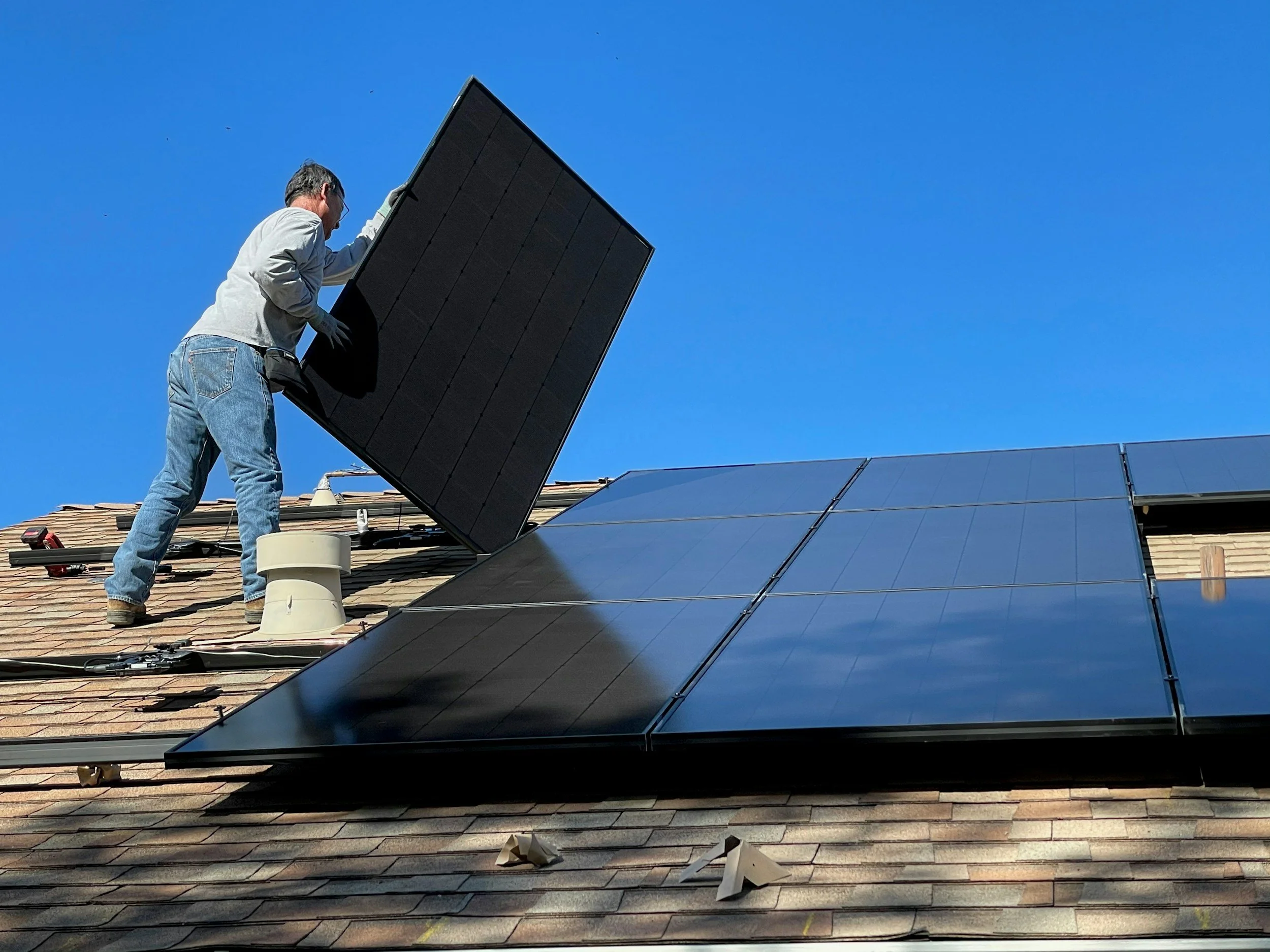
Once we have your enquiry, we will arrange for a surveyor to visit your home and take measurements of your roof and determine the angle and orientation of your roof. You’ll then receive a no obligation quotation. After installation you will receive a warranty for all the products installed in your home, including an insurance backed workmanship warranty.
Quick and easy installation
Increase your EPC rating and reduce your carbon footprint
By installing solar panels you will not only reduce your bills by generating your own renewable electricity, but you will also reduce your carbon footprint and increase your EPC rating, which may provide you with lower mortgage rates.
What is Solar PV?
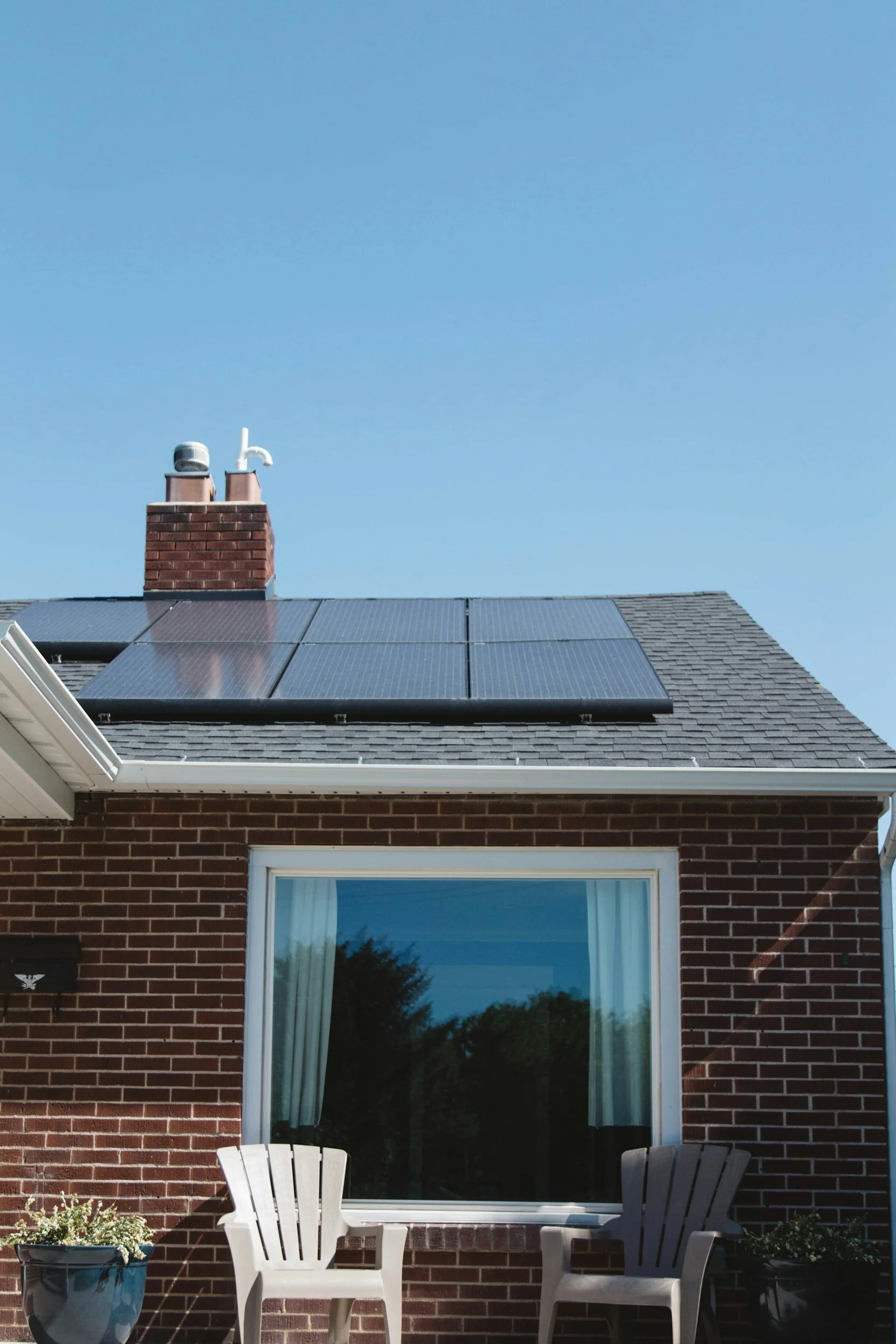
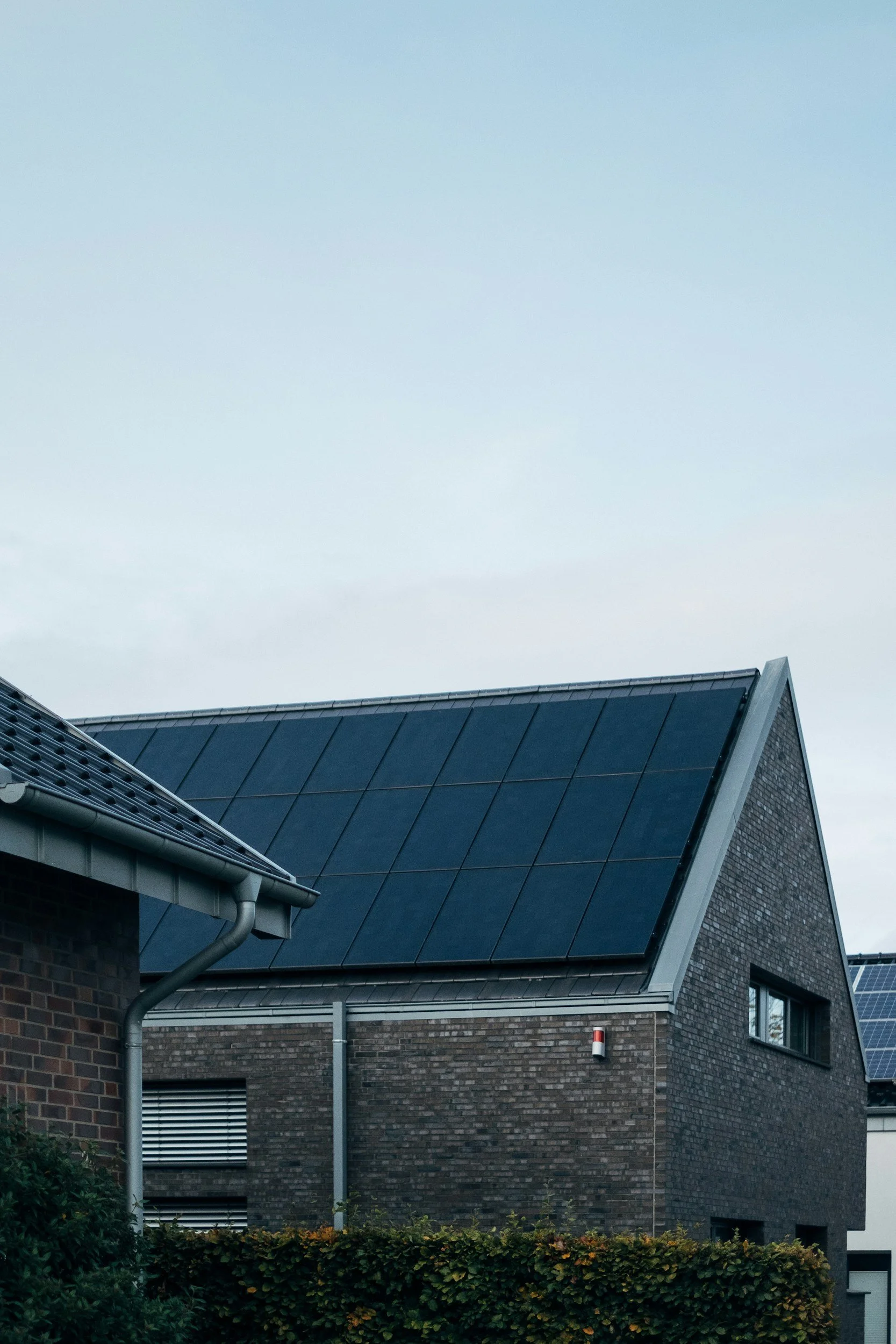
Solar electricity panels, also known as Solar Photovoltaics (PV for short), use the energy from the sun to produce electricity that you can use within your home in the same way that solar calculators have for many years.
How do solar panels work?
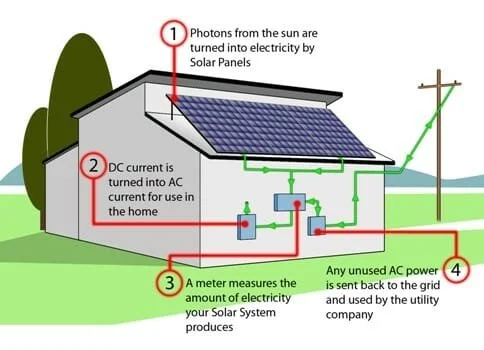
When ultraviolet light shines on the cells within your solar PV panels, a flow of electricity is created by the layers of semi-conductors that makes up each cell. These semi-conductors are commonly made from silicon which gives solar PV its distinctive dark blue to black colour.
The radiation collected generates DC (direct current) energy, the same as that stored in batteries.
An inverter then converts this into usable AC (alternating current) electricity that can then be used in your home.
Any energy that is not used can be sent back to the grid or diverted to either batteries or Solar Electric Storage heaters for use at a more convenient time.
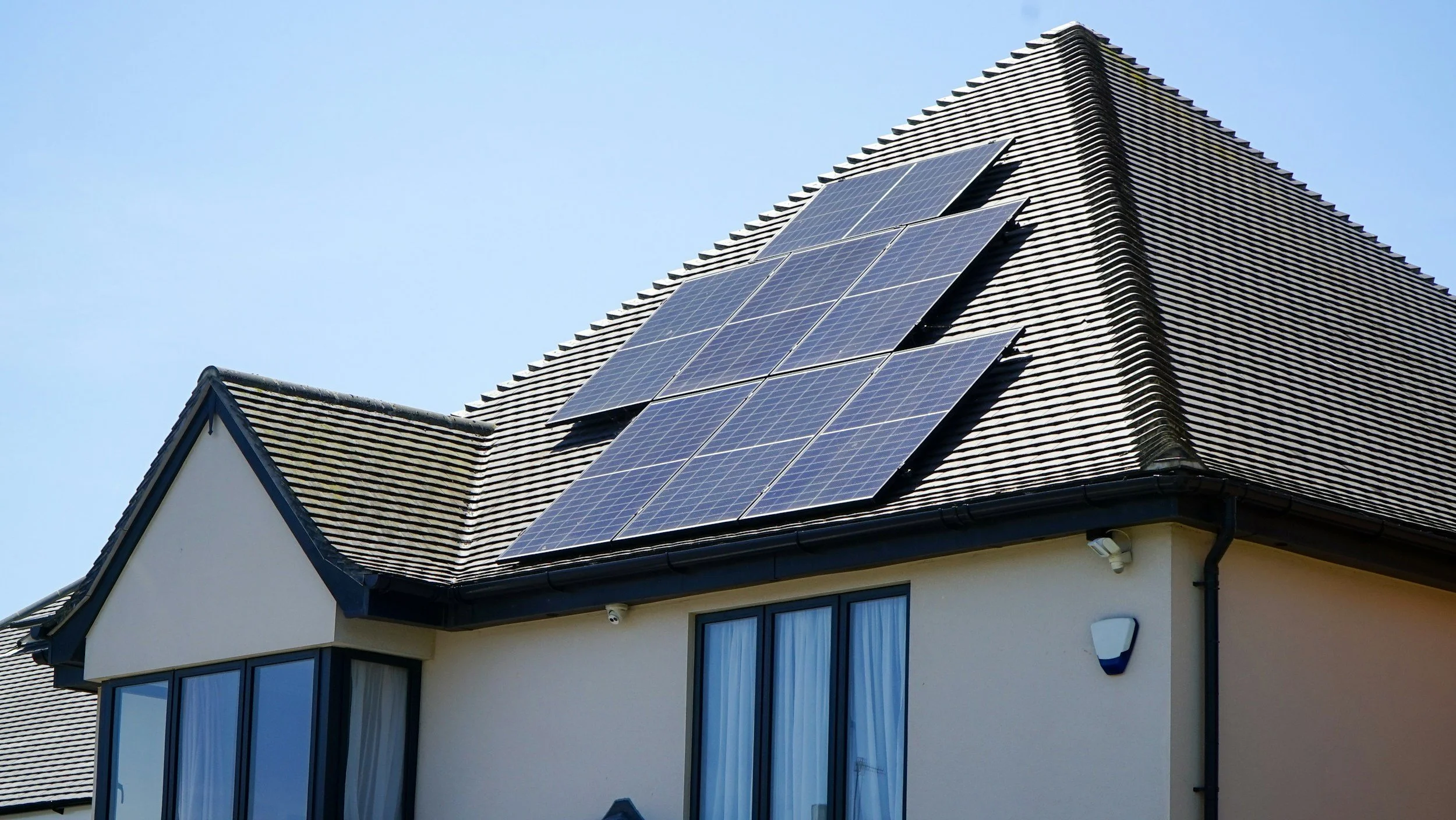
The panels don’t actually need direct sunlight to work meaning that they can produce electricity on even the most overcast of days. They work best, and produce the most electricity, when they are facing directly south, however, they work well one West and East facing roofs as well.